
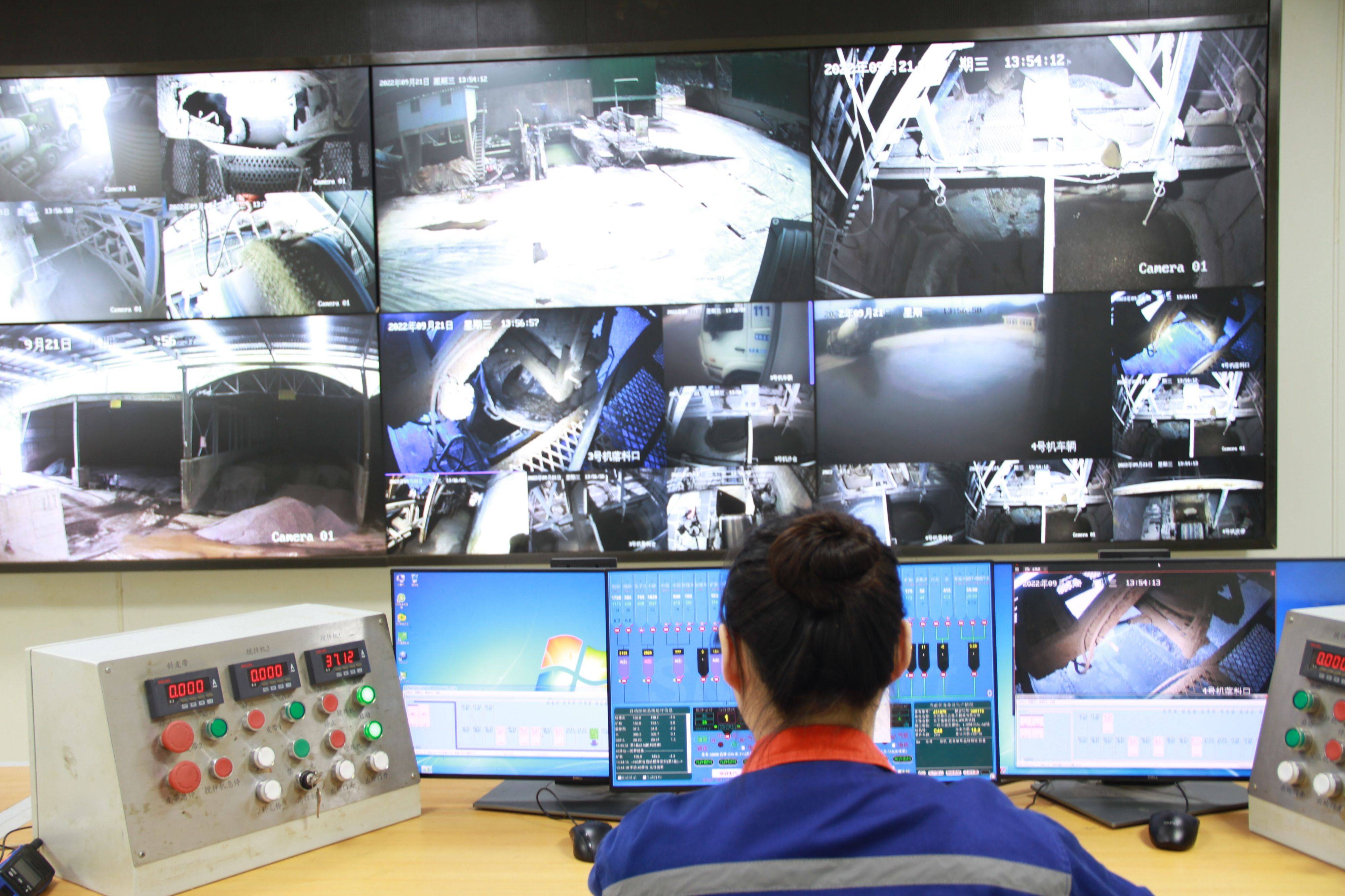
A concrete batching plant is the heart of reliable concrete production. Whether you operate a fixed station or a mobile concrete batching plant, consistent output and accurate mix proportions depend on daily inspection and maintenance. When a batching plant is neglected, aggregate weighing drifts, mixing efficiency drops, and unscheduled downtime disrupts the entire project schedule. This guide answers the common question: How to maintain a concrete batching plant?
Start with the batching machine. The PLD series batching machine is widely used in concrete batching plants for the quantitative distribution of sand and gravel aggregates to the mixer. Inspect the weighing hoppers and load cells daily for dust buildup, material buildup, or vibration that can affect measurement accuracy. Verify that the discharge gates open and close completely, and confirm that the belt conveyor or skip hoist is aligned with no excessive wear.
The hydraulic system also requires regular attention. Check hydraulic oil levels every morning and examine all pipe joints and fittings for leaks. For electric concrete pumps such as the HBS10 and HBS20, keep the hydraulic oil temperature below 70°C. If the system overheats, inspect the cooler. Air-cooled radiators are the mainstream configuration because of their simple structure and easy maintenance. Clean the radiator fins with compressed air from the outlet side at least once a month, and check that the cooling fan operates normally.
Wear-part management affects both the batching plant and the concrete pump delivering the mix. Extending the service life of wear parts starts with a qualified mix design: control aggregate particle size and grading, and maintain a suitable slump. Check and adjust the clearance between the eye plate and the cutting ring regularly, and use high-wear-resistance material parts. Pump pistons should be inspected after every 2,000 to 3,000 cubic meters of pumped concrete; replace them immediately if wear or seal leakage is found.
Electric-powered equipment is common in modern operations. The HBS10 and HBS20 electric concrete pumps provide low running costs and a compact layout for small and medium projects, but they require a stable power supply. Check the motor, cables, and control panel daily, and test the emergency stop function on the wireless remote control before each shift.
Do not overlook the plant structure itself. Inspect the frame for loose bolts, check the air compressor and its filters, and drain condensation from the air receiver daily. If you use a mobile concrete batching plant or a foundation-free MHZS series plant, pay extra attention to steel frame connections and leveling, because these units are designed for frequent relocation.
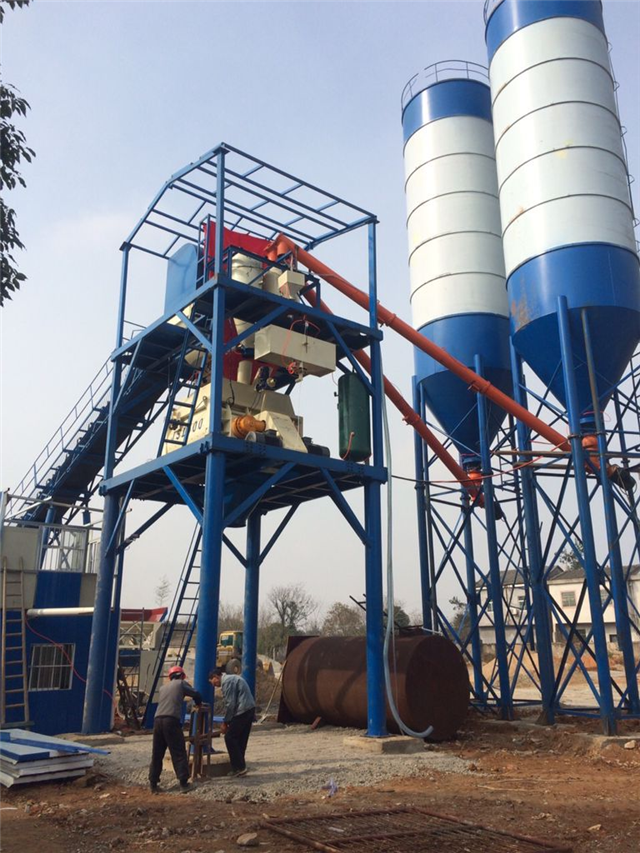
A practical maintenance program does not need to be complex, but it must be consistent. Assign a responsible operator, use a simple daily checklist, and keep spare parts such as seals, filters, and wear plates on site. Catching small problems early is the most effective way to avoid expensive failures. Contact us for details on concrete batching plants, PLD batching machines, and HBS series electric concrete pumps.
#ConcreteBatchingPlant #BatchingPlantMaintenance #MobileConcreteBatchingPlant