
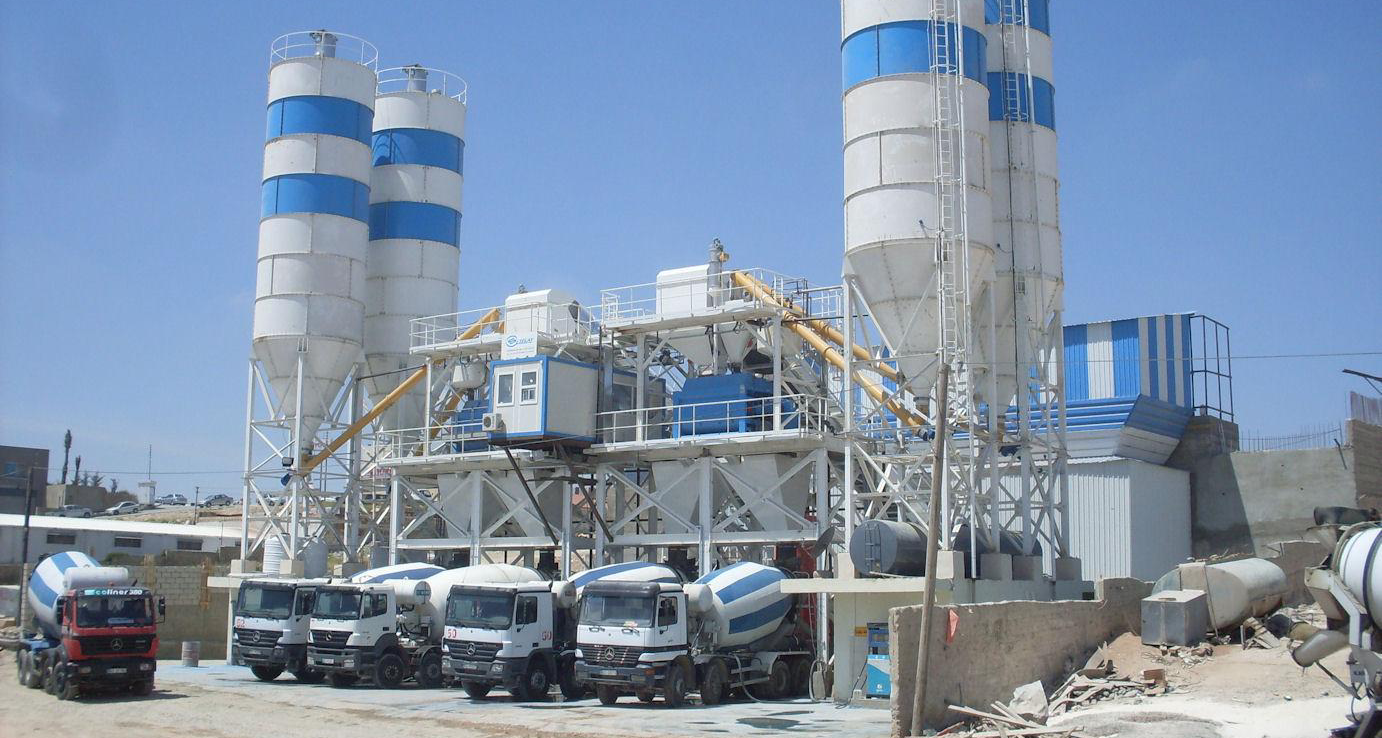
A practical guide to selecting concrete batching plant capacity according to daily concrete demand, mixer truck cycle time, project schedule and site conditions.
Choosing the right concrete batching plant capacity is one of the most important decisions before investing in a ready mix concrete project. A plant that is too small may delay delivery, while an oversized plant can increase power consumption, foundation cost and idle equipment time.
The first factor is the actual concrete demand. Customers should estimate peak hourly demand, average daily output, number of mixer trucks and concrete delivery distance. For small local supply projects, compact models such as HZS25 or HZS35 may be enough. For commercial ready mix production, HZS60, HZS90 and HZS120 are more common choices.
The second factor is the mixer cycle. Twin-shaft mixers usually provide strong mixing efficiency and stable concrete quality. Aggregate feeding method, cement silo capacity, water and admixture weighing speed also affect the final output.
Site layout is also important. A stationary concrete batching plant needs proper foundation, aggregate stockpile area and truck turning space. A mobile concrete batching plant is more suitable when the project needs fast relocation or temporary production.
Before purchasing, share your required capacity, concrete application, aggregate size, site area and power supply with the supplier. Hengyuan engineers can recommend a suitable model and layout based on your project conditions.
Key Points For Concrete Mixer
When evaluating Concrete Mixer, the customer should first connect the equipment selection with the real production task instead of only comparing model names. The most important factors normally include mixing uniformity, batch volume, wear parts, discharge method and production line matching. These details decide whether the equipment can keep stable output, whether operators can run it conveniently, and whether the later maintenance cost remains reasonable during long-term use.
For overseas projects, the working environment may be very different from the factory test condition. Ambient temperature, local aggregate moisture, power supply stability, operator experience, spare parts availability and installation space can all influence final performance. A practical configuration should leave enough margin for daily operation while avoiding unnecessary oversized components that increase shipping cost and foundation work.
Configuration And Layout
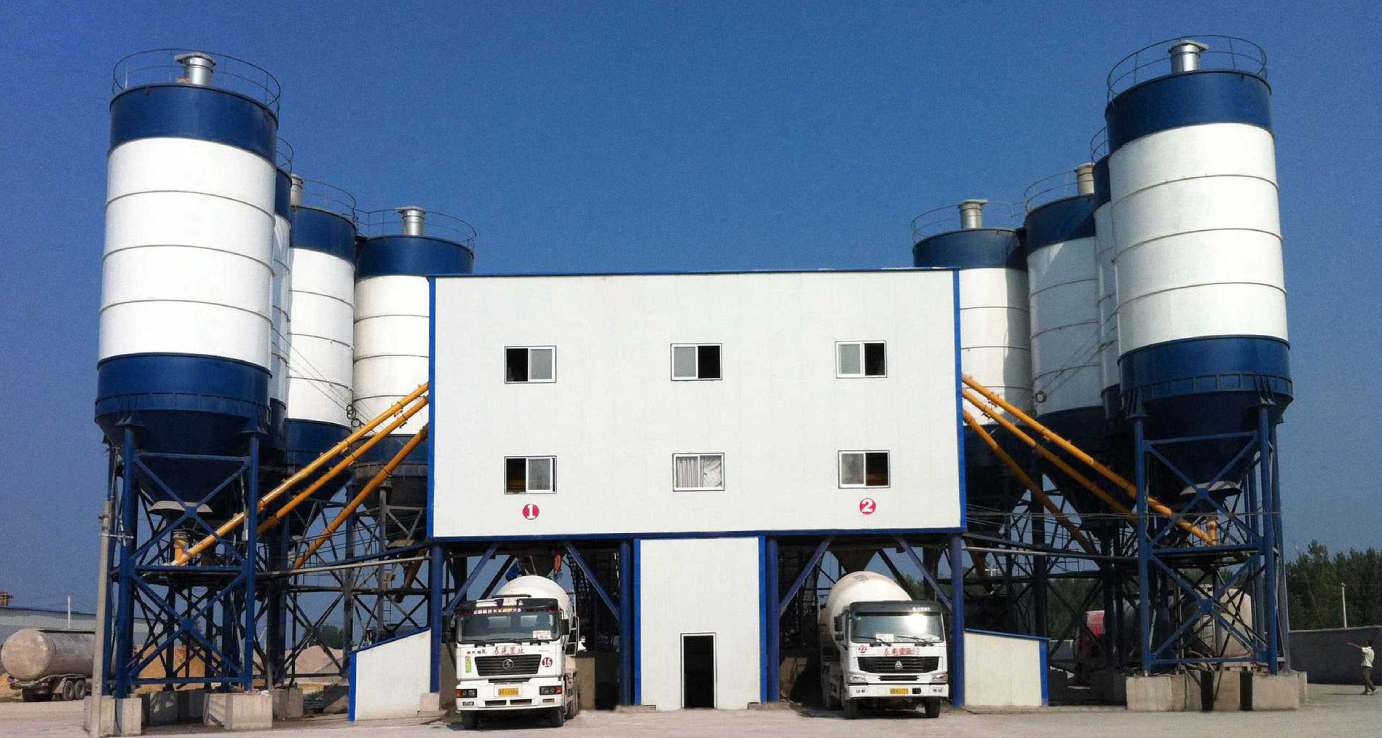
The equipment layout should be checked together with the site drawing. Customers need to confirm feeding direction, truck access, discharge position, cable route, maintenance space and safe walking area around the machine. If the project includes a concrete batching plant, cement silo, screw conveyor, aggregate batching machine, mixer platform and control room should be arranged as one system. If the project is mainly concrete pumping or on-site mixing, pipeline direction and working radius become more important.
A clear layout helps reduce installation adjustment after delivery. It also helps the supplier prepare drawings, foundation suggestions, electrical references and packing plans before shipment. Hengyuan engineers usually ask for project capacity, raw material condition, concrete application, local voltage and available site area, because these inputs allow the quotation to be closer to real jobsite needs.
Operation And Maintenance
Reliable daily operation depends on both machine quality and operator habits. Before starting production, the team should check lubrication points, electrical cabinet, reducer, hydraulic oil level, safety guards, belt tension, mixer liner condition, weighing sensor status and all visible bolts or connections. During operation, abnormal vibration, noise, leakage or unstable feeding should be handled early instead of waiting until production stops.
After each shift, cleaning is essential. Concrete residue can harden quickly and damage the mixer, hopper, weighing system or delivery pipeline. For pumps and mixer pumps, operators should clean the hopper, delivery cylinder and pipe system in time. For batching plants, the mixer, discharge area and aggregate belt should be inspected regularly. A simple maintenance record can help customers know when to replace blades, liners, seals, oil filters or other wear parts.
Buying Advice
Before placing an order, customers should compare more than the machine price. A complete proposal should explain model selection, capacity range, main components, control system, delivery scope, installation guidance, spare parts list and after-sales response. If the project is located overseas, packing size, container loading plan, local unloading method and commissioning support should also be confirmed. These details often decide whether the project can start smoothly after the equipment arrives.
Hengyuan focuses on practical concrete machinery solutions for customers who need stable equipment, clear configuration and long-term support. By sharing the required capacity, project location, raw materials, site layout and expected delivery schedule, customers can receive a more accurate recommendation for Concrete Mixer. The final solution can be adjusted according to budget, local standards and construction plan, so the equipment is not only suitable on paper but also workable on the real site.
For a more accurate selection, customers can also provide photos or videos of the site, available installation dimensions, local aggregate size, cement supply method and the expected number of working hours per day. This information helps the technical team review the equipment load, choose practical auxiliary systems and prepare a quotation that is easier to compare. Careful preparation before purchase usually reduces later modification, shortens communication time and helps the project team control both investment and operating risk.